
Before the first Burndud (sacred song) was ever sung, Minkala, the Great Spirit lifted the seven Gurdigurdi sisters, known as the Mayalarri, into the night sky, placing them among the stars.
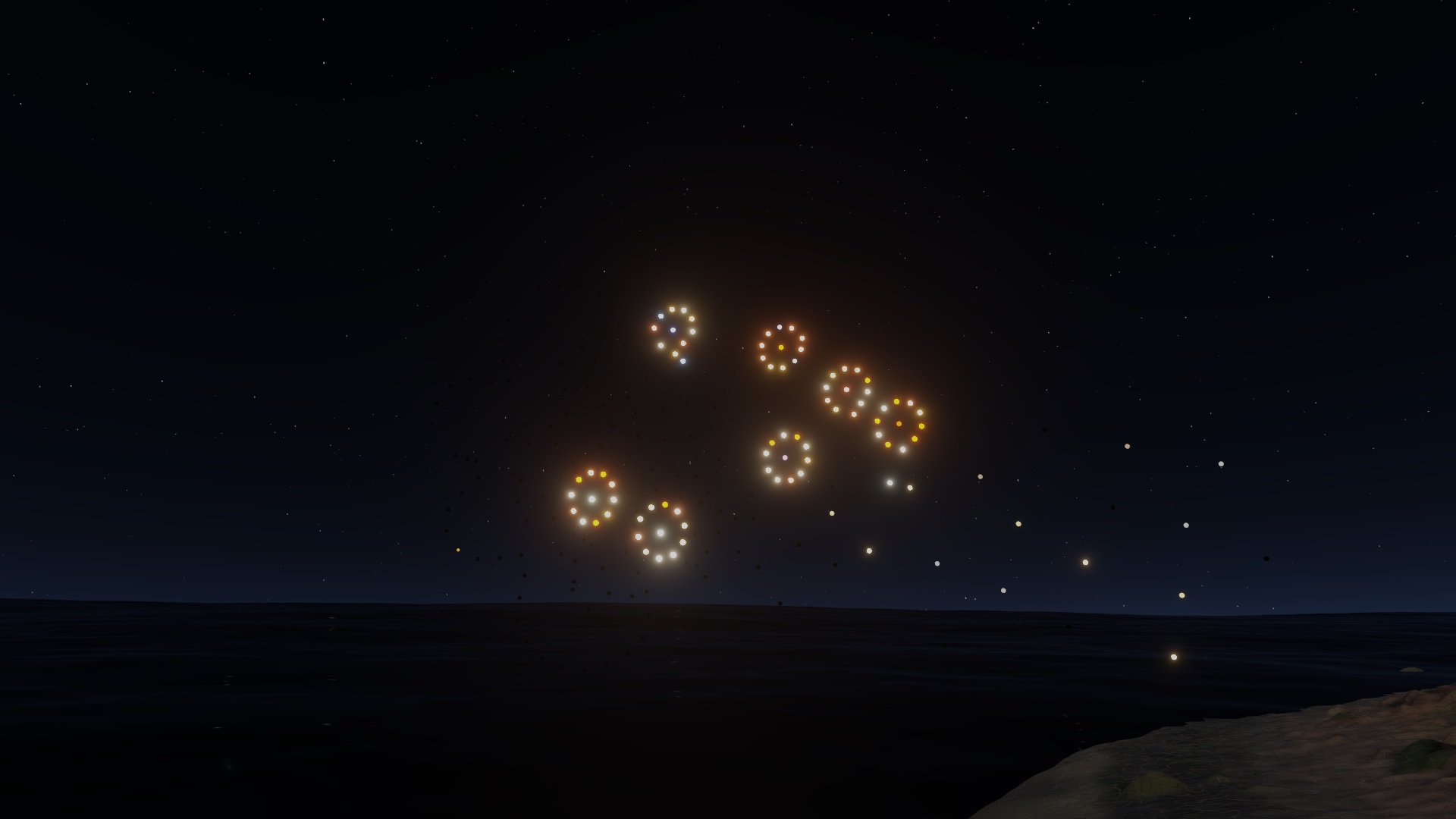
Then came Marrga, the ancestral Lawmakers. As they sang the Burndud into the world, their voices were so powerful that two of the Mayalarri were drawn down from the sky, falling into the sea near Murujuga, this place.
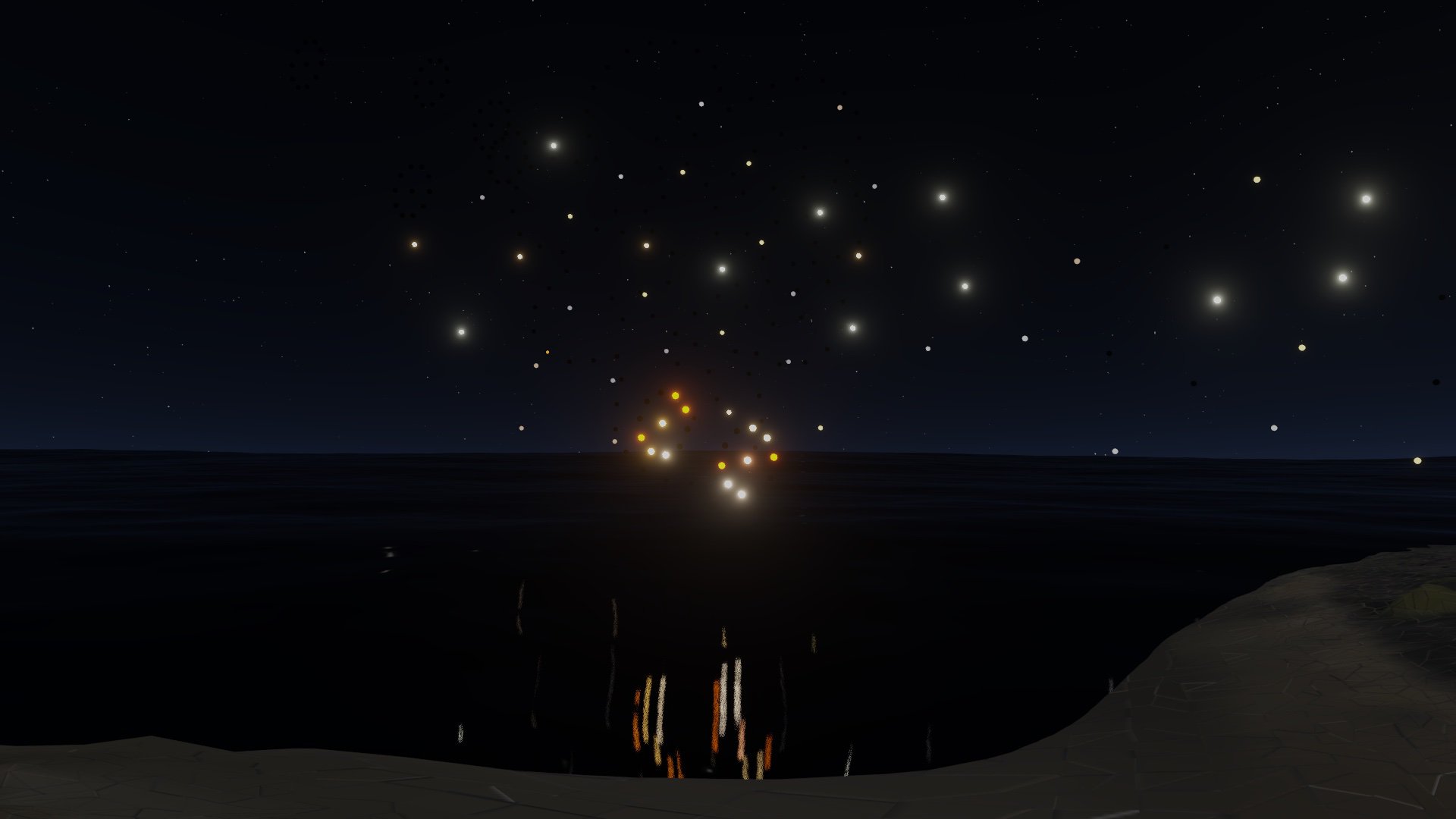
These two were the Bunggaliyarra, sisters-in-law bound by the sacred kinship system of Galharra, which governs relationships, responsibilities, and balance in the world.
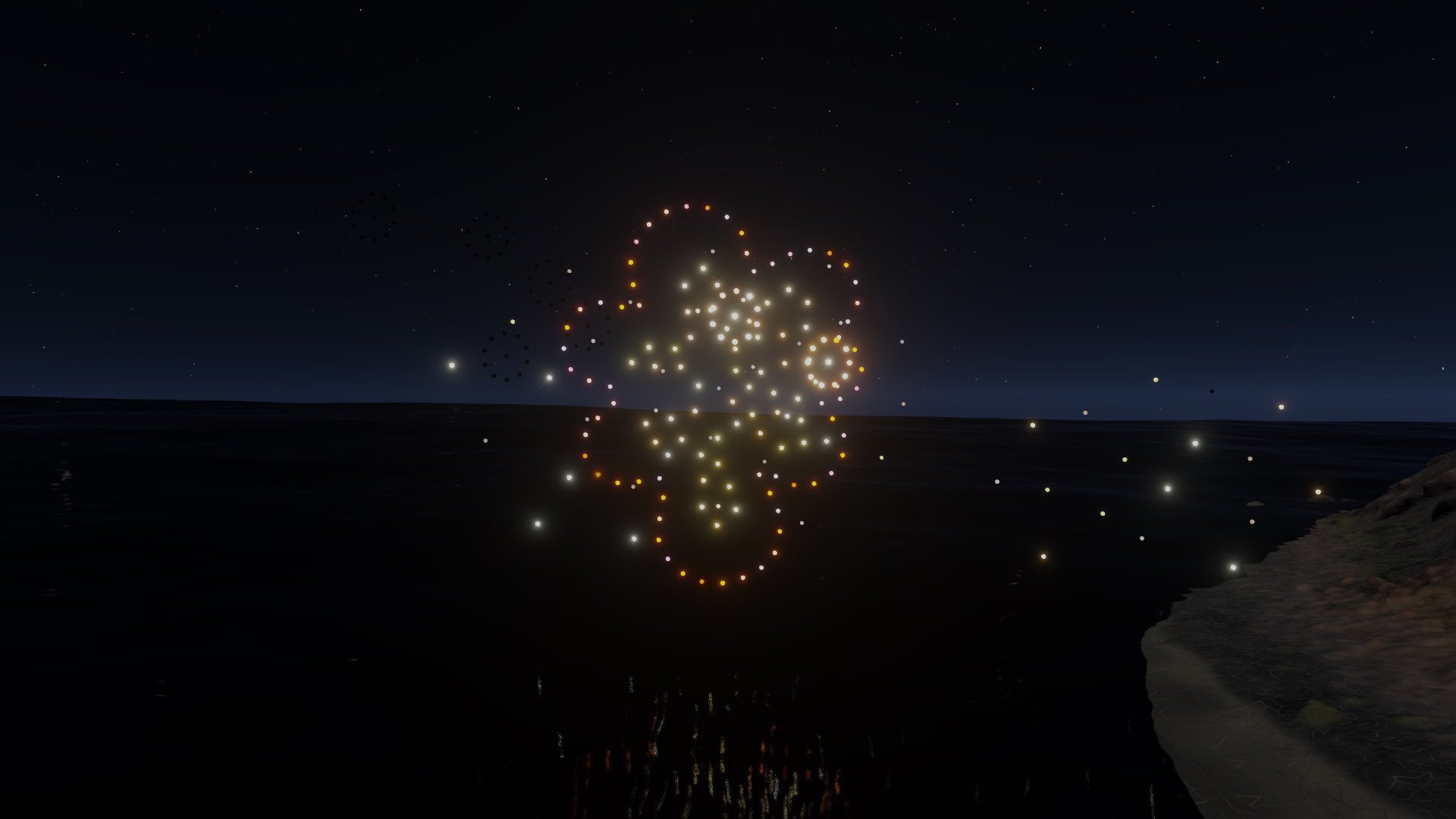
The Bunggaliyarra were captivated by the beauty of the Marrga’s song. Entranced, they followed it, drawn deeper into the land.
A JOURNEY OF CREATION
Each song guided them to its rightful place.
They moved swiftly, traveling far up Yarndanyirra (the Fortescue River) to Birlin Birlin, a sacred place of water and life. There, they danced in a circle on the riverbank, their feet moving perfectly in time with the rhythm of the Burndud.
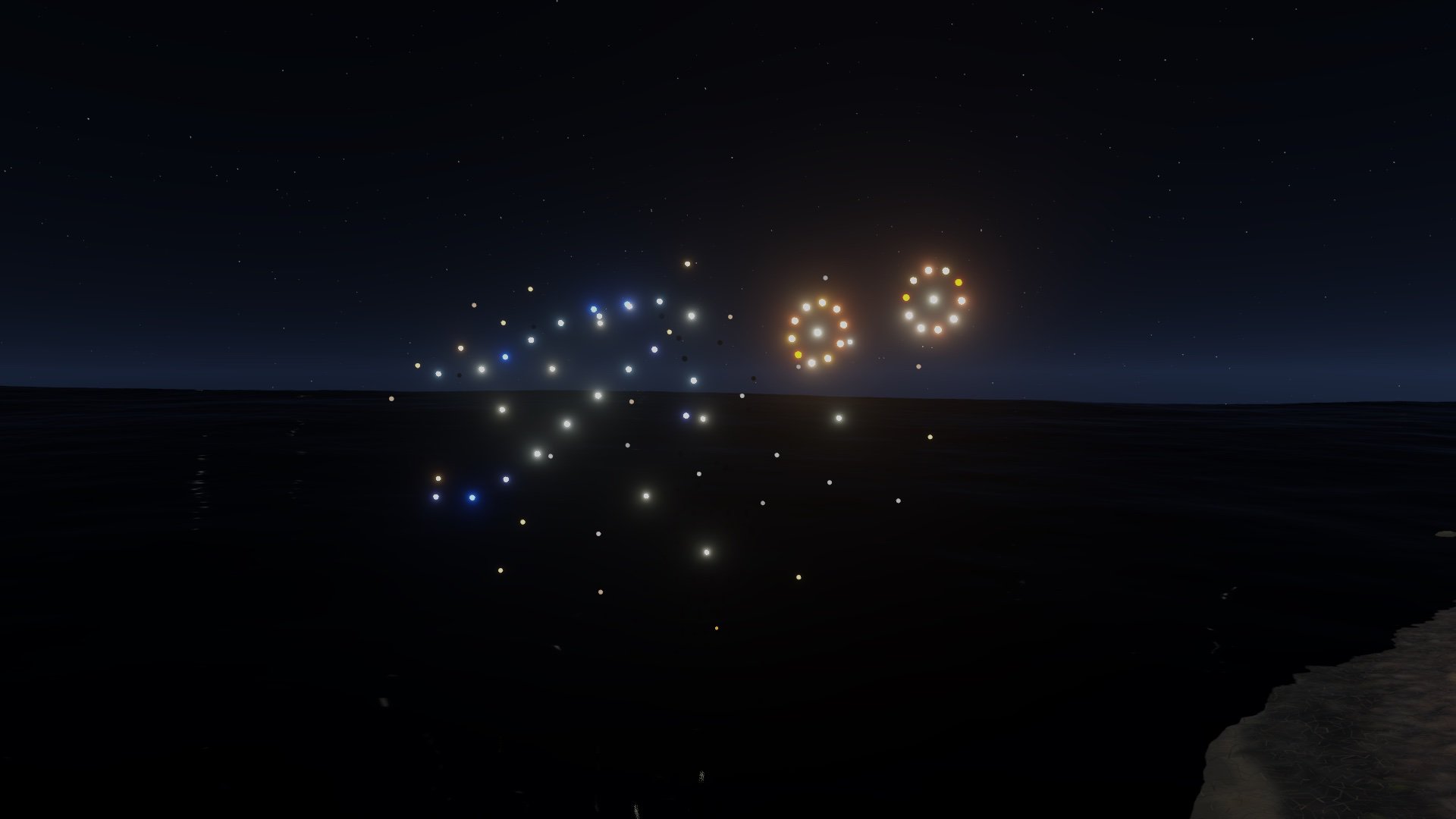
But two bad Marrga men were watching. These men, who did not follow the laws of Galharra, desired the Bunggaliyarra for wives. They ignored the sacred kinship roles and chased after the sisters.
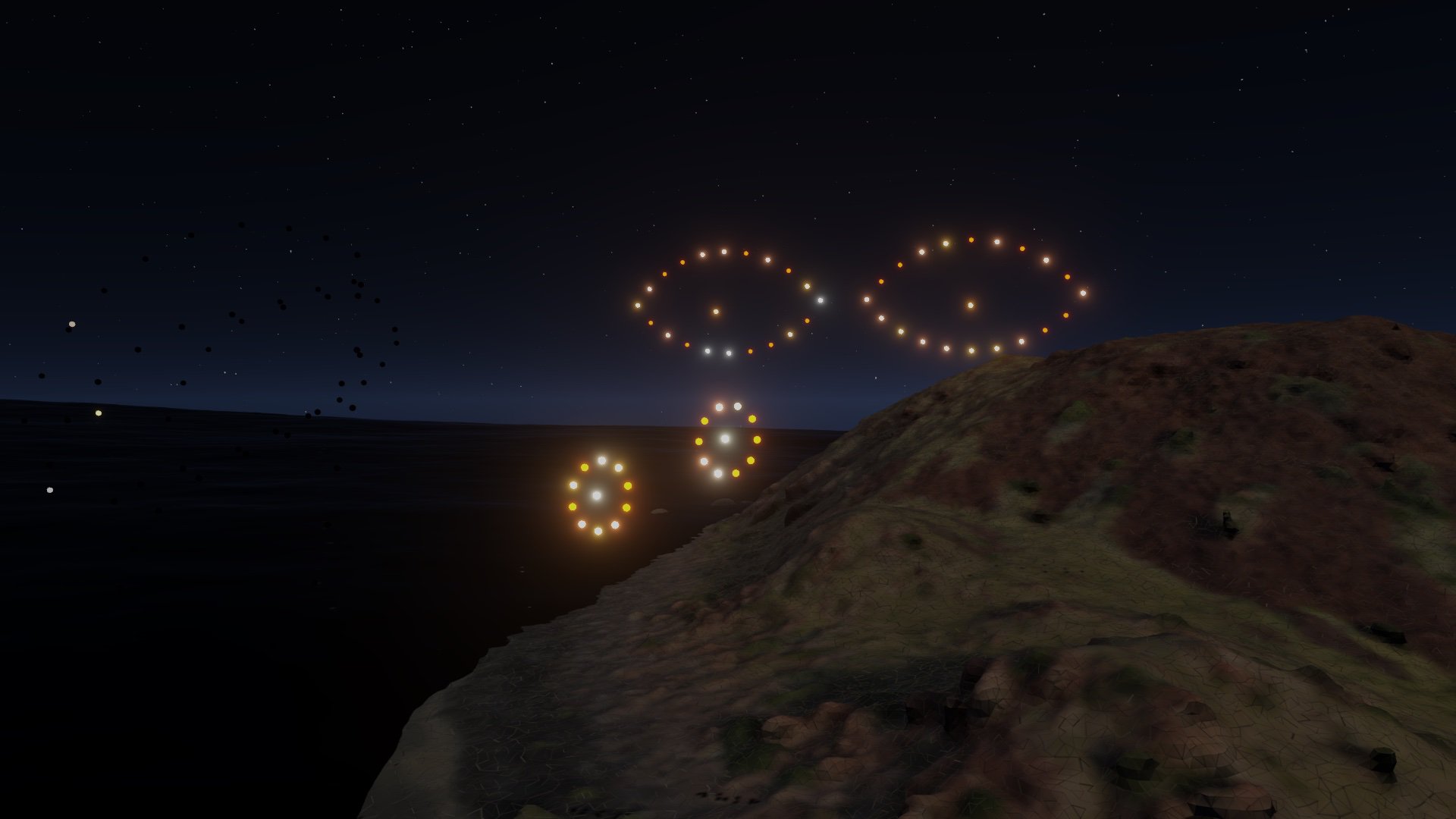
The sisters ran, fleeing toward Mirrdawaadnha, a hill where they stopped briefly to weave a mandanhu (fishing net). But before they could finish, they saw the Marrga men approaching. Fear gripped them, and they abandoned their weaving, dragging the unfinished net behind them as they fled.
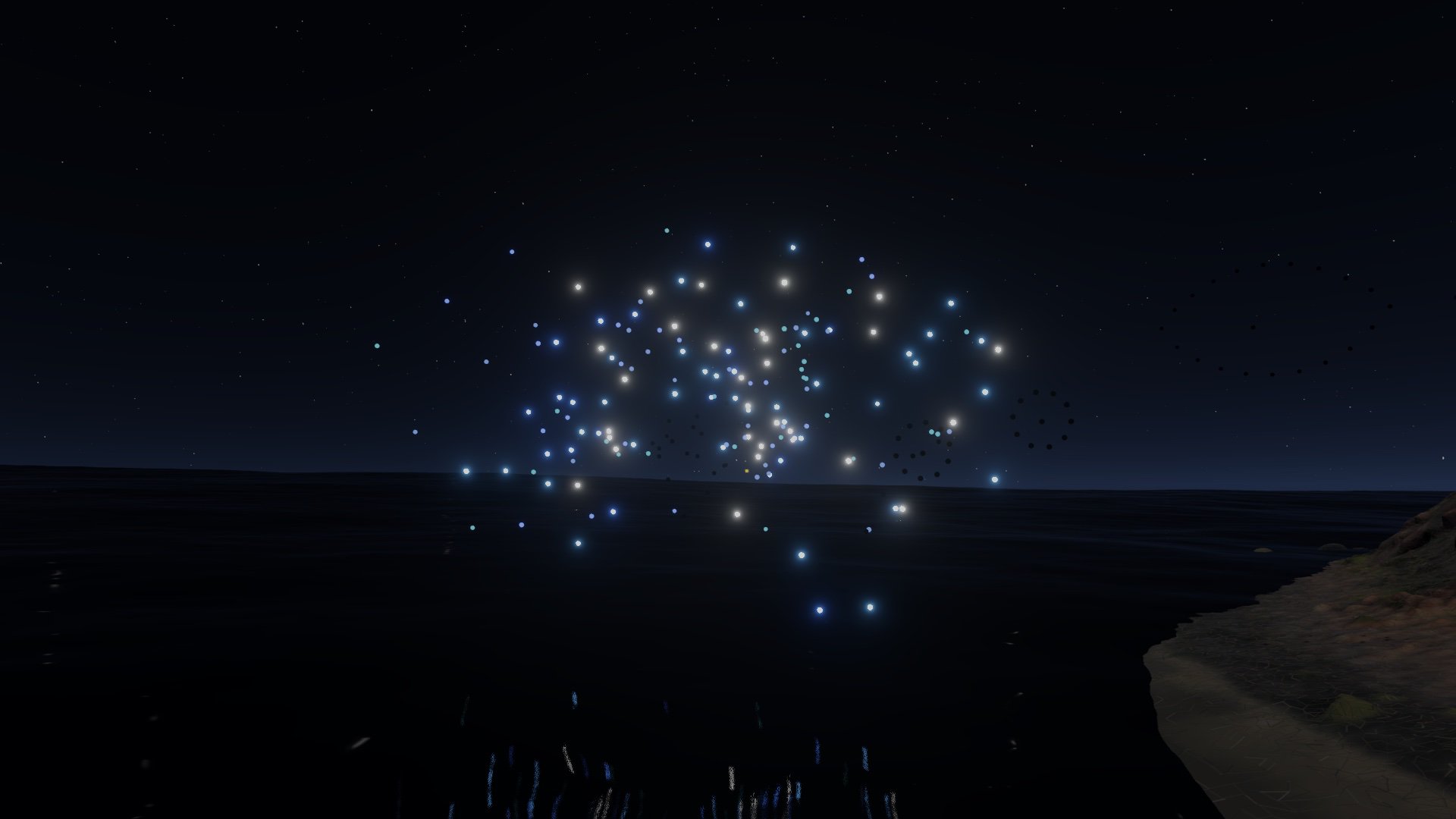
As they moved, they unknowingly shaped the world around them. Their woven strings and baskets became part of the land, leaving behind knowledge in the form of fishing nets and weaving techniques. The dragging net scraped across the earth, carving out a perilous path of creation—a reminder of their journey forever imprinted on the land.
The Trickery of the Marrga
The Marrga men, seeing what the sisters had done, became jealous of their power and wisdom. They decided to trick them into breaking the sacred laws of Minkala.
Through deception, the sisters were led astray. When they finally encountered the Good Marrga, the true Lawmakers, they realized their terrible mistake—they had broken Minkala’s laws.
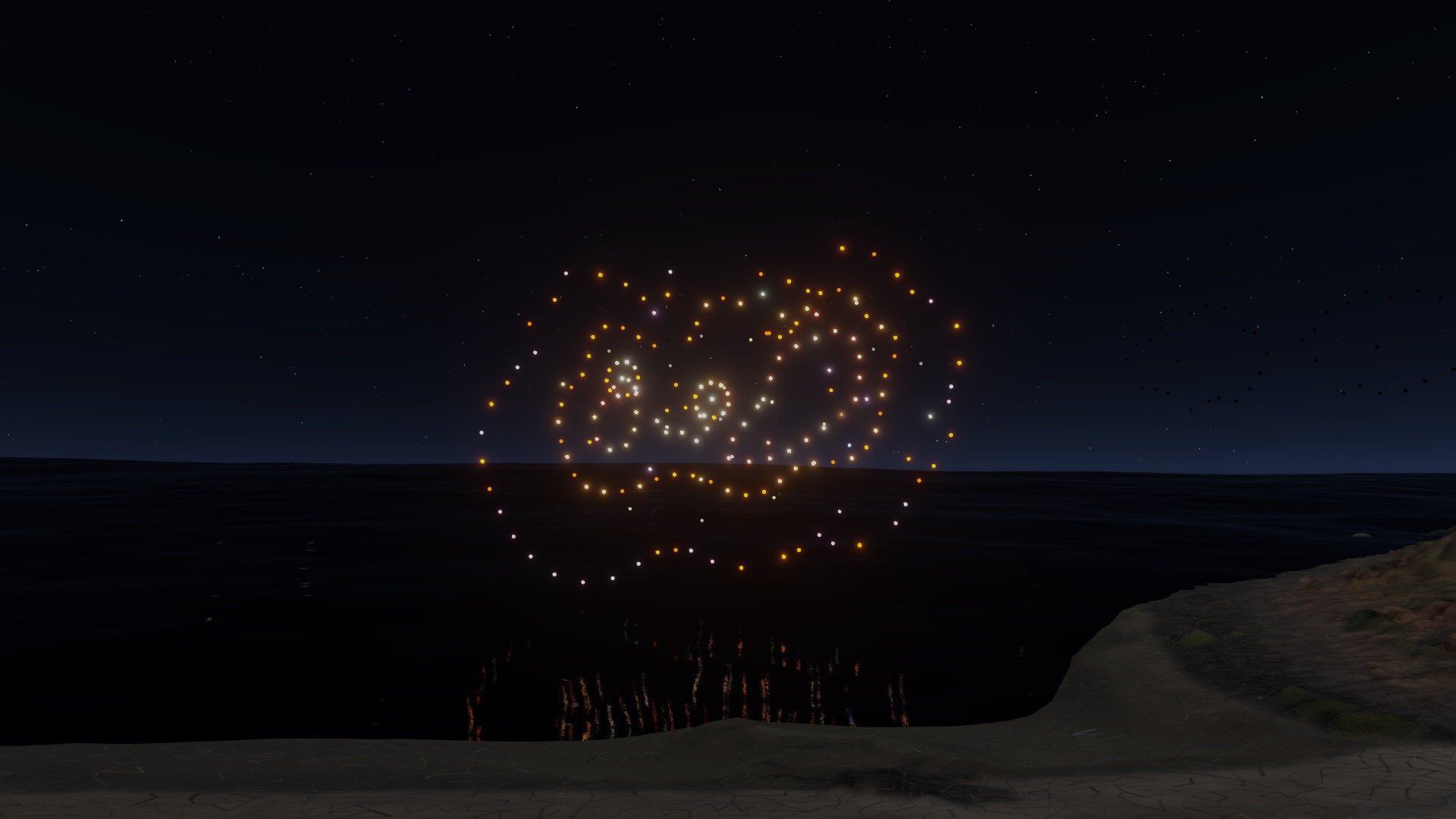
Overcome with fear, the Bunggaliyarra ran, their hearts pounding as they raced through Garlanjardnha wundu (a treacherous place). But there was nowhere left to go. Desperate, they leapt into the river, seeking refuge in its depths.
Transformation and the Spirits’ Journey
As they sank, the Birrbud bird, a spirit messenger, appeared. With its powerful voice, it cast a spell over the sisters.
The Bunggaliyarra were transformed into Munggu, two anthills, sunken deep beneath the water.
But their spirits were not lost.
Over time, a Wirranga tree (river gum) grew from the water, its roots drawing strength from the land, its branches reaching toward the sky. Through this tree, the spirits of the Bunggaliyarra sisters rose once more, ascending beyond the earth.
They traveled up to Mandirrinha (the moon), where they now live, watching over the world they helped create.
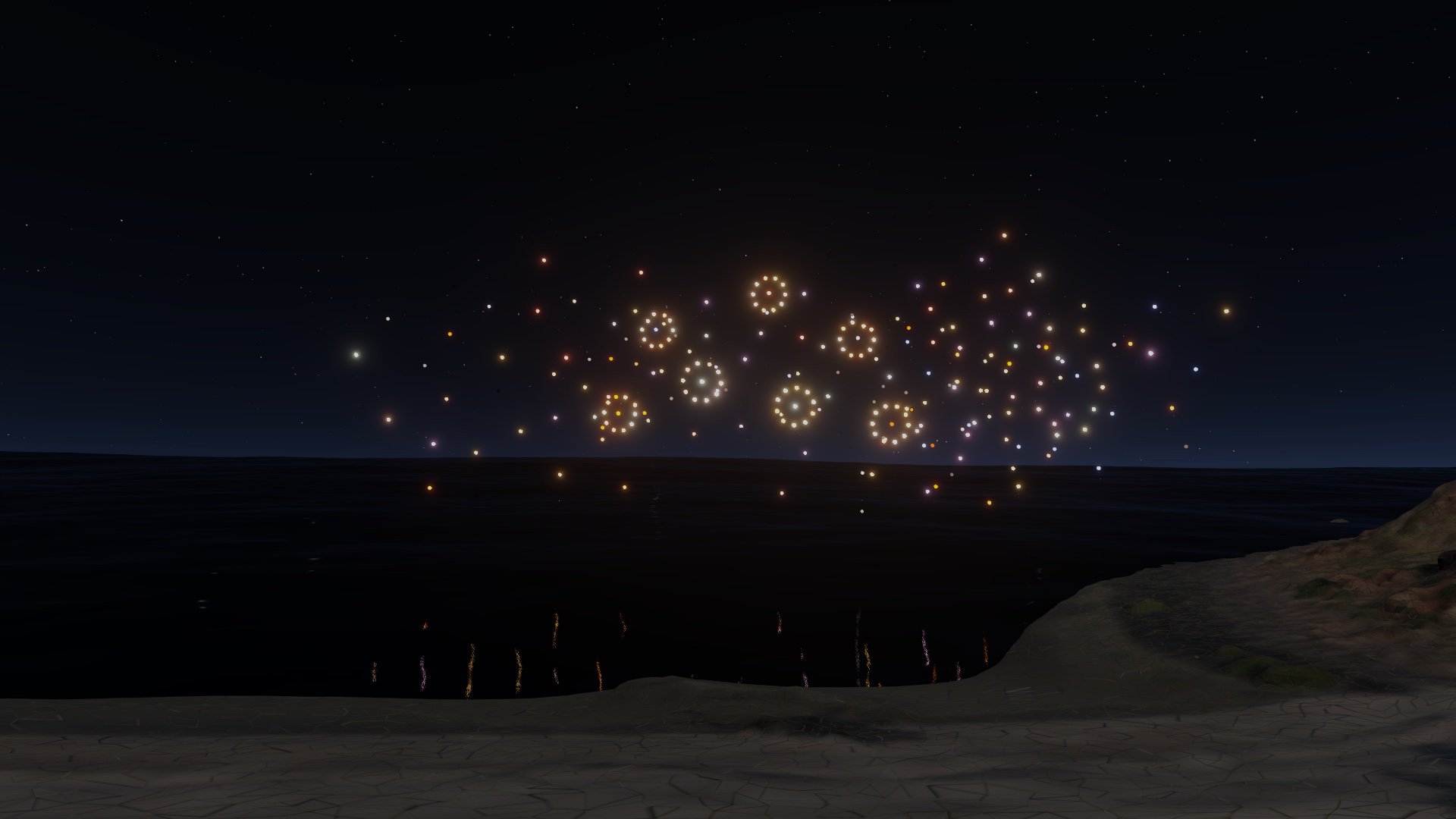
THE STORY LIVES ON
The Bunggaliyarra’s fate was not forgotten. Their story became a powerful lesson—one woven into Marrga, the laws that guide Yindjibarndi life. Their transformation serves as a warning: to respect the sacred roles and relationships of Galharra, to honor the knowledge passed down through the generations, and to walk the right path under Minkala’s law.
The Yurala (rain spirit) follows the steps of the Bunggaliyarra, bringing rain to each place they traveled, ensuring their journey is never forgotten. The last Yurala was Long Mack, before the land was changed forever by the building of Harding Dam.
But time in the Ngurra Nyujuggamu (eternal Dreaming) does not move in a straight line—it circles back, over and over again. Like this story, creation is never truly lost. It remains, waiting to be remembered, guiding those who listen.